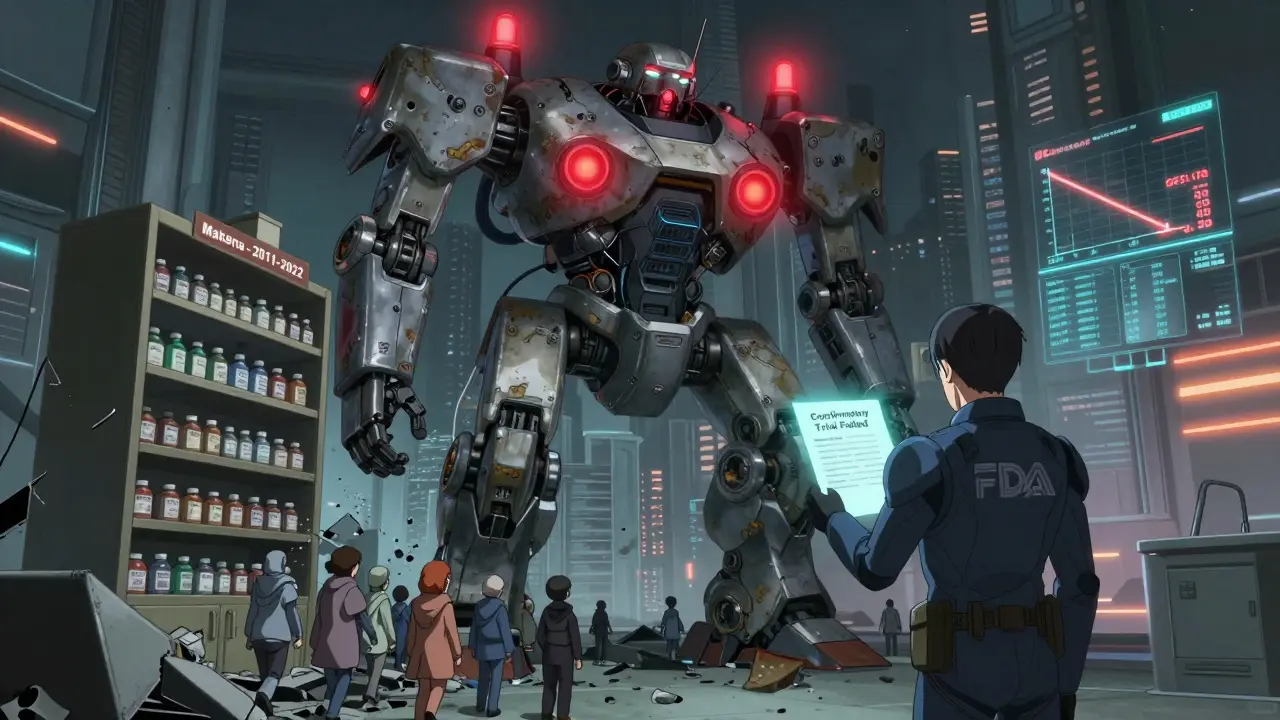
Every year, dozens of medications disappear from pharmacy shelves-not because they’re outdated, or because sales dropped, but because they were found to be unsafe or ineffective. These aren’t mistakes. They’re regulatory actions, often years in the making, that reveal deep flaws in how drugs are approved and monitored. The story behind why a pill gets pulled isn’t just about science. It’s about timing, bureaucracy, and the real people who kept taking the drug long after it stopped working.
How a Drug Gets Approved-And What Goes Wrong Later
When a pharmaceutical company wants to sell a new drug in the U.S., it submits data to the FDA. For most drugs, that means years of clinical trials showing it’s safe and effective. But for serious illnesses like cancer or rare diseases, the FDA sometimes grants accelerated approval. This lets a drug hit the market faster, based on early signs it might help-like shrinking tumors-instead of waiting years to prove it actually extends life or improves symptoms. That’s where the problem starts. Accelerated approval isn’t a final stamp of approval. It’s a conditional green light. The company must still run a follow-up study to confirm the drug works as claimed. But here’s the catch: the FDA doesn’t always check on those studies. And patients keep getting the drug. Take Makena, a drug approved in 2011 to prevent preterm birth. It was based on a small study showing it lowered early delivery rates. But the required confirmatory trial, finished in 2020, showed it didn’t work. The FDA didn’t pull it until 2022. That’s 11 years of women being given a drug that offered no benefit. And during those years, an estimated 150,000 women received it.The Long Wait: Why Withdrawals Take Years
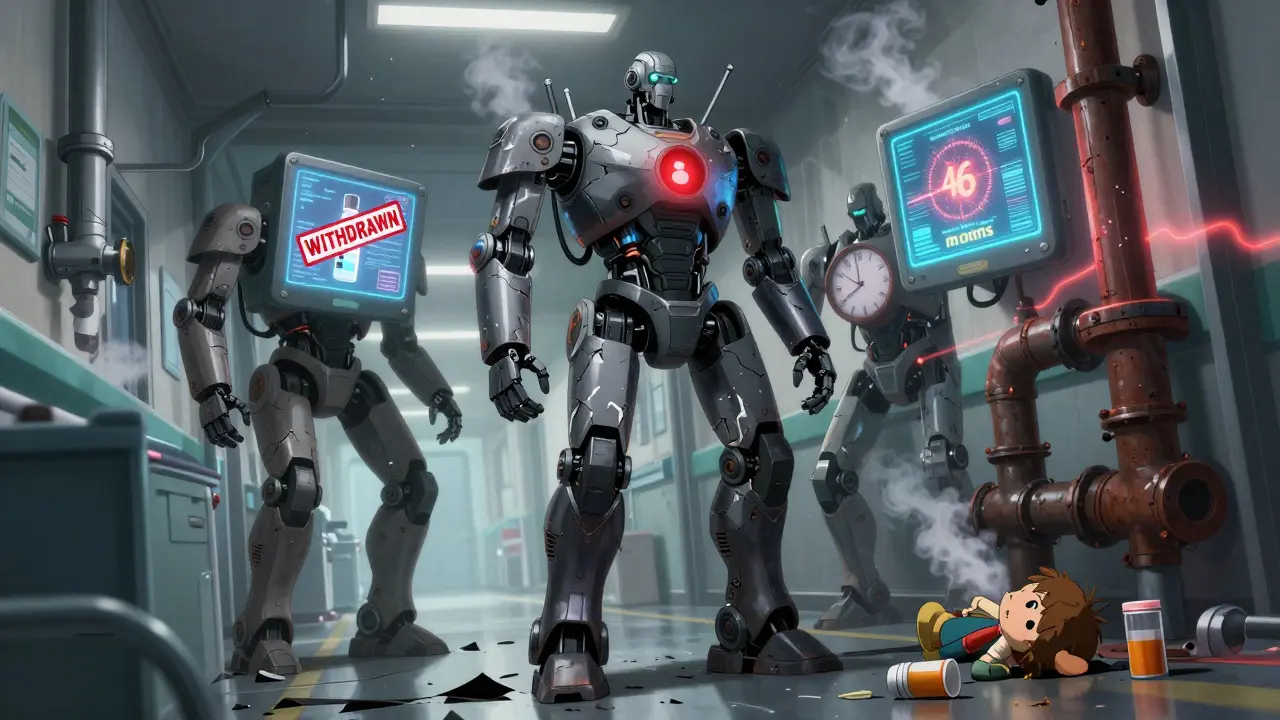
Before 2023, the FDA had no real timeline for pulling a drug. Once a study showed a drug failed, the agency could take months-or years-to act. A 2023 study from the Penn LDI found that, on average, it took the FDA 46 months to withdraw a drug after evidence showed it didn’t work. That’s over three and a half years. For some cancer drugs, the delay was even longer. Why so slow? The process was messy. The FDA had to notify the drugmaker, give them a chance to respond, schedule meetings, wait for public comments, and sometimes even call in advisory panels. Meanwhile, doctors kept prescribing the drug. Patients kept taking it. And no one was tracking how many people were still on it. One oncology study found that 26% of accelerated approval drugs were eventually withdrawn. In small cell lung cancer, that number jumped to 41%. That means nearly half the patients treated with those drugs got something that didn’t help. And they didn’t know it.The 2023 Change: A Faster Way to Pull Dangerous Drugs
In December 2023, Congress passed a law that changed everything. The Consolidated Appropriations Act of 2023 gave the FDA new power to act quickly. Now, if a drugmaker doesn’t run its required follow-up study, or if the study fails, or if independent data proves the drug is unsafe, the FDA can move fast. The new process has clear steps:- The FDA sends a notice to the drugmaker within 30 days of finding evidence of failure.
- The company can request a meeting with the FDA within 60 days.
- The FDA must make a final decision within 180 days.
Who Gets Hurt When a Drug Stays Too Long
It’s easy to think drug recalls only affect big pharma. But the real victims are patients. On patient forums like Reddit’s r/oncology, hundreds of people share stories. One wrote: “I was on [withdrawn drug] for 18 months. My oncologist said it was standard. Now I know it did nothing.” Another said: “I lost six months of my life to a drug that didn’t work. I wish I’d known sooner.” Healthcare providers are frustrated too. A 2022 survey found that 30% of oncology patients between 2015 and 2020 received drugs later withdrawn. When a drug is pulled, doctors scramble. They have to switch treatments, explain the change to patients, and often deal with insurance denials for the new drug. One clinic reported it took them 72 hours to get patients off a withdrawn drug and onto a new regimen. And it’s not just cancer. Patients with rare diseases, chronic pain, or autoimmune conditions have also been caught in the crossfire. Many don’t know their drug was under review. They assume FDA approval means it’s safe and effective-forever.Voluntary vs. Mandatory Withdrawals: What’s the Difference?
Not all withdrawals are the same. There are two main types:- Voluntary withdrawal: The drugmaker decides to stop selling the drug. This could be because of low sales, manufacturing issues, or safety concerns. But if the company just stops shipping without a safety reason, the FDA doesn’t count it as a withdrawal.
- Mandatory withdrawal: The FDA orders the drug off the market because it’s unsafe or ineffective. This is the kind that makes headlines.
How Patients and Doctors Stay Informed
You’d think if a drug gets pulled, everyone knows. But that’s not true. A 2023 FDA audit found that only 42% of withdrawal notices included clear instructions for doctors on how to transition patients. Many pharmacists still struggle to interpret the Orange Book listings. A 2022 survey showed 63% of pharmacists had trouble telling which drugs were truly withdrawn versus just out of stock. Patients need to be proactive. If you’re on a drug for cancer, rare disease, or chronic illness, ask your doctor: “Has this been through a confirmatory trial? Is it still approved?” Don’t assume FDA approval means it’s safe forever. Doctors should check the FDA’s Determination of Safety or Effectiveness list in the Federal Register. It’s updated monthly. But many don’t. The burden shouldn’t be on them-or on patients.The Bigger Picture: Innovation vs. Safety
Some drug companies argue that faster withdrawals could scare off innovation. If the FDA pulls drugs too quickly, they say, companies won’t risk developing treatments for tough diseases like Alzheimer’s or ALS. But the data doesn’t back that up. The new rules only apply to drugs approved after 2023. And they’re designed to catch failures early-not punish early progress. In fact, the system now encourages companies to be honest. If a drug fails, the FDA will work with them to get it off the market fast, rather than letting it linger for years. Patient advocacy groups, like the Cancer Research Institute, say the new rules are the biggest improvement in drug safety in over 20 years. They’re not perfect. But they’re a start.What’s Next for Drug Safety?
The FDA is now testing real-world data to spot problems faster. In early 2024, it launched a pilot using data from Flatiron Health, which tracks cancer treatments in real clinics. Instead of waiting for a formal trial to fail, the agency can now see if a drug is helping patients in the real world. Evaluate Pharma predicts drug withdrawals will rise by 25% between 2023 and 2027. That’s not because more drugs are dangerous. It’s because the system is finally working the way it should. The goal isn’t to stop new drugs. It’s to stop giving patients drugs that don’t work. And that’s something everyone should agree on.What happens to a drug after it’s withdrawn from the market?
Once a drug is officially withdrawn for safety or effectiveness reasons, the manufacturer must stop all distribution. Pharmacies and hospitals are required to return or destroy remaining stock. The drug is removed from the FDA’s Orange Book, which means generic versions can no longer be approved based on it. Patients who were taking it should be switched to an alternative treatment. In rare cases, the drug may be repurposed for a different use under strict supervision.
Can a withdrawn drug ever come back to the market?
It’s extremely rare. If a drug is withdrawn because it’s unsafe or ineffective, the FDA won’t reapprove it unless the manufacturer submits entirely new data proving it’s both safe and effective for a different use or population. Even then, the approval process starts from scratch. Most withdrawn drugs stay off the market permanently.
How can I find out if my medication has been withdrawn?
Check the FDA’s website for the latest Drug Safety Communications and the monthly list of withdrawals in the Federal Register. You can also ask your pharmacist or doctor directly. If you’re on a drug for cancer, a rare disease, or a condition treated with accelerated approval, ask whether it has completed its confirmatory trial. Don’t rely on your prescription label-it won’t tell you if the drug was later pulled.
Are generic drugs affected when the brand-name version is withdrawn?
Yes. If the brand-name drug is withdrawn for safety or effectiveness reasons, the FDA removes it from the Orange Book. That means generic manufacturers can no longer use it as a reference to get approval. Existing generics may be pulled too, depending on the reason. If the withdrawal is due to a manufacturing issue-not safety or effectiveness-generics might still be available.
Why do some drugs stay on the market for years after they’re proven ineffective?
Before 2023, the FDA had no legal deadline to withdraw a drug. Even after a confirmatory trial failed, the agency had to go through a lengthy process: notify the company, allow appeals, gather public comments, and sometimes hold meetings. This could take years. Patients continued receiving the drug during this time. The 2023 law fixed this by setting strict timelines-now the FDA must act within 180 days.
9 Comments
Henry Marcus
So let me get this straight: the FDA lets companies sell life-altering drugs based on *wishful thinking*… and then sits on their hands for *years* while people get poisoned? 😏 This isn’t regulation-it’s corporate bribery with a side of bureaucratic naptime. I’ve seen the documents. The FDA gets $200M a year from pharma… coincidence? I think not. They’re not protecting us-they’re protecting profits. And now they’re patting themselves on the back for a law that should’ve been in place in 1983? 🤡
Carolyn Benson
The tragedy isn’t the withdrawal-it’s the epistemological vacuum in which we’ve allowed medicine to operate. We’ve outsourced truth to regulatory bureaucracies, then mistaken approval for validation. The drug isn’t ‘unsafe’-it’s *unproven*, and we’ve conflated procedural legitimacy with ontological truth. The patient isn’t a victim of negligence; they’re a casualty of our collective surrender to institutional authority. We don’t need faster withdrawals-we need to stop worshipping the altar of FDA approval altogether.
Aadil Munshi
Lmao, Americans act like this is some new scandal. In India, we’ve been seeing this for decades-drugs pulled in the US get repackaged and sold here as ‘premium imports.’ Makena? We had it in rural clinics till 2021. The real issue isn’t the FDA’s slowness-it’s that global pharma treats developing nations as dumping grounds for failed products. And don’t get me started on how ‘accelerated approval’ is just corporate speak for ‘we’ll sell it until someone dies.’ 😏
Danielle Stewart
If you're on a medication for cancer, rare disease, or chronic illness-please, please ask your doctor: ‘Has this been through a confirmatory trial?’ Don’t assume. Don’t wait. Write it down. Bring it to your appointment. You are your own best advocate. I’ve seen too many people lose months-years-because they trusted the label. You deserve better. And you’re not alone in asking these questions.
Ryan van Leent
Why do people even care if a drug doesn't work as long as it makes them feel better lmao. I had a cousin on that Makena thing and she said it made her feel calmer so who cares if it didn't reduce preterm birth. The FDA is just another control freak agency trying to tell people how to live. Let the market decide. If people stop buying it then it dies. Simple.
Sajith Shams
You think the 2023 law is a fix? Please. The FDA still has zero accountability. They didn’t punish the companies that delayed trials. They didn’t fine the executives. They didn’t compensate the 150,000 women who wasted their pregnancies on Makena. This isn’t reform-it’s PR. The same people who approved it in 2011 are still sitting on advisory panels. And now they’re calling themselves heroes? Wake up. The system is still rigged. The only thing that changed? Now they’re faster at burying the evidence.
Adrienne Dagg
OMG I just found out my lupus med was pulled in 2022 😭 I had no idea!! My doctor never told me and my pharmacy didn’t flag it. I’m so mad rn. But also… I’m so glad someone finally wrote about this. 🙏 Please, everyone-ask your doctor if your med has a confirmatory trial! I’m sharing this everywhere!! 💪❤️ #DrugSafety #AskYourDoctor
Erica Vest
It is critically important to distinguish between voluntary market withdrawals and mandatory regulatory withdrawals. Voluntary withdrawals, such as those due to manufacturing defects or commercial decisions, do not imply safety or efficacy concerns. Only mandatory withdrawals-triggered by post-marketing evidence of harm or lack of benefit-are reflected in the FDA’s Orange Book and constitute true regulatory action. Patients and providers should consult the Federal Register’s monthly ‘Determination of Safety or Effectiveness’ list for authoritative updates. Misinterpretation of stock shortages as withdrawals is a persistent and dangerous error.
Chris Davidson
The real problem is not the FDA. The real problem is patients who think a pill is magic. You dont need a trial to know if something works. You feel it. If you feel better you take it. If you dont feel better you stop. The system is broken because we let bureaucrats decide what people should feel. The drug stays on the market because people want it. The FDA is irrelevant.