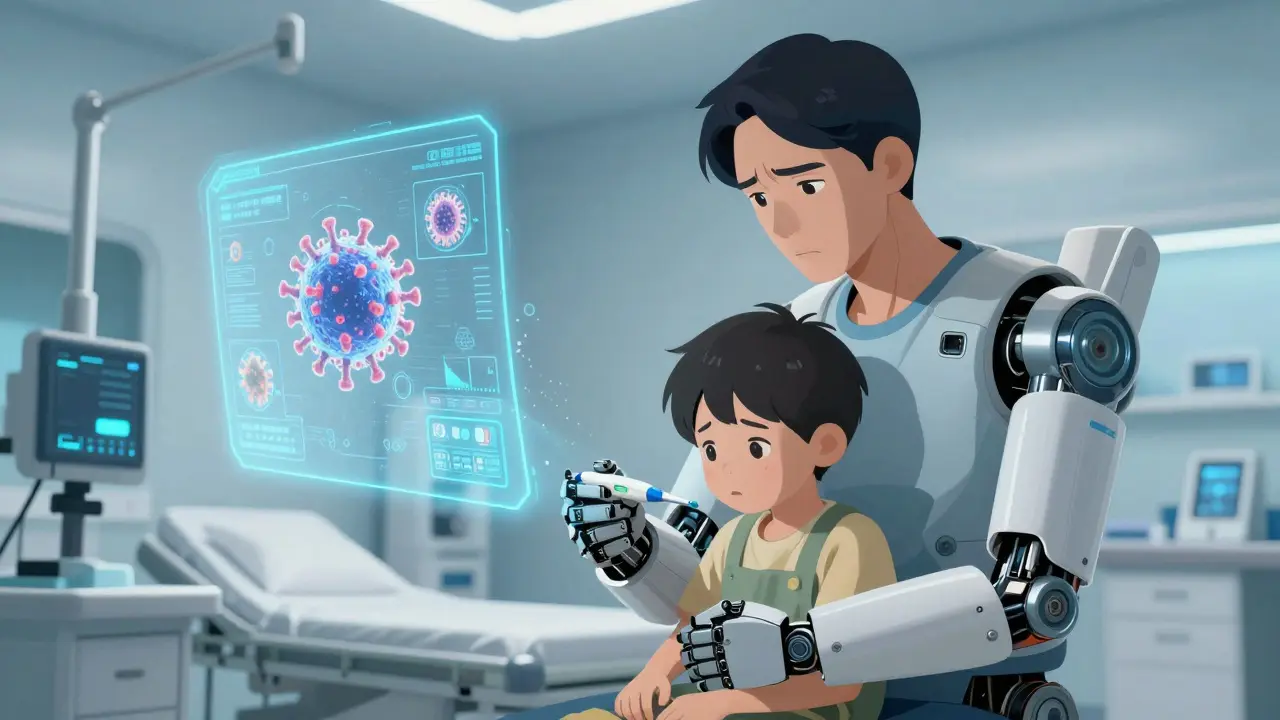
Your child has a fever that won’t break. Their ears hurt. The doctor prescribes antibiotics, which are medications designed to kill or inhibit the growth of bacteria. You feel relieved. But what if that relief is misplaced? What if those pills aren’t just unnecessary, but actively harmful?
This is the reality for millions of parents today. We’ve been taught that antibiotics are the ultimate cure-all for childhood illness. Yet, the truth is far more nuanced. Antibiotics do nothing against viruses-the culprits behind most colds, flu, and stomach bugs. Using them incorrectly doesn’t just waste money; it fuels antibiotic resistance, a global health crisis where bacteria evolve to survive standard treatments. In this guide, we’ll cut through the confusion. You’ll learn exactly when antibiotics are necessary, how to spot the difference between a harmless rash and a life-threatening allergy, and how to manage side effects without panic.
The Golden Rule: Bacteria vs. Viruses
Before you worry about side effects, you need to know if your child even needs the drug. This is the single biggest mistake in pediatric care. Antibiotics target specific structures in bacteria that human cells-and viruses-don’t have. Giving them for a viral infection is like using a key to open a door that has no lock. It simply doesn’t work.
Here is the hard data from Children's Hospital Colorado: approximately 99% of diarrhea and vomiting cases in children are viral. Ninety percent of pneumonia cases in kids are viral. And nearly all common colds are viral. Antibiotics will not shorten the duration of these illnesses. They will not prevent complications. They will only disrupt your child’s body.
So, when do they help? Only for confirmed bacterial infections. These include:
- Strep throat: Caused by Streptococcus pyogenes. Requires a positive rapid antigen test or culture. About 20% of sore throats are strep; the rest are viral.
- Acute Otitis Media (Ear Infection): Specifically when there is moderate to severe pain or fluid draining from the ear. Not every earache needs a pill.
- Bacterial Sinusitis: Rare in young children. Only 0.5-2% of sinus symptoms require antibiotics. Look for symptoms lasting more than 10 days without improvement, or worsening after initial improvement.
- Pneumonia: Only the 10% of cases caused by bacteria like Streptococcus pneumoniae.
If your child has a runny nose, cough, or low-grade fever that started recently, it is almost certainly viral. Trust the timeline. Most viral illnesses last 7-10 days. Antibiotics won’t speed that up.
Common Antibiotics Used in Pediatrics
When a doctor does prescribe an antibiotic, they choose from specific classes based on the suspected bacteria and the child’s history. Understanding these helps you track potential reactions.
| Antibiotic Class | Common Names | Typical Use Cases | Dosing Frequency |
|---|---|---|---|
| Penicillins | Amoxicillin, Penicillin G | First-line for ear infections, strep throat, sinusitis | Twice daily (every 12 hours) |
| Cephalosporins | Cefdinir, Ceftibuten | Complicated ear infections, pneumonia, penicillin alternatives | Once or twice daily |
| Macrolides | Azithromycin, Erythromycin | Whooping cough, mild pneumonia, penicillin allergies | Once daily (often 3-5 day course) |
Amoxicillin is the gold standard for most pediatric bacterial infections due to its safety profile and broad effectiveness. The CDC recommends dosing based on weight (80-90 mg/kg/day) rather than age alone. Azithromycin is popular because of its short course, but it should be reserved for specific cases to avoid resistance.
Side Effects: What’s Normal vs. What’s Not
About 10% of children experience side effects from antibiotics. Most are mild and manageable, but knowing the difference between a nuisance and a danger signal is crucial.
Gastrointestinal Distress: This is the most common complaint. Antibiotics don’t distinguish between bad bacteria causing infection and good bacteria keeping your child’s gut healthy. As a result, Clostridium difficile (C. diff) can overgrow, leading to severe diarrhea. If your child has watery, frequent stools, stop the medication and call the doctor immediately. Mild loose stools are common, but persistent diarrhea is not.
Rashes: Here is where parents get confused. A mild, non-itchy rash appearing after a few days is often a "side effect" or a viral exanthem (a rash caused by the virus itself, not the drug). This happens in 80-90% of rash cases. However, if the rash is hives (raised, itchy welts), appears within hours of the first dose, or is accompanied by swelling, it is likely a true allergic reaction.
Nausea and Vomiting: Taking antibiotics on an empty stomach can upset sensitive tummies. Try giving the dose with food unless the label says otherwise. If your child vomits within 30 minutes of taking the dose, repeat the full amount. If it’s been 30-60 minutes, repeat half the dose. After 60 minutes, assume enough was absorbed and wait for the next scheduled dose.

Antibiotic Allergies: The Big Misconception
"My child is allergic to penicillin." How many times have you heard this? Shockingly, up to 95% of children labeled as "penicillin allergic" can actually take it safely. Why the error? Often, parents confuse a viral rash with a drug reaction, or they recall a mild stomach upset years ago.
True IgE-mediated allergy is rare. It presents with immediate symptoms:
- Hives (urticaria)
- Swelling of the lips, tongue, or face (angioedema)
- Wheezing or difficulty breathing
- Anaphylaxis (a life-threatening drop in blood pressure)
If your child experiences any of these, seek emergency care immediately. For future visits, this requires a formal allergy evaluation. Many pediatric allergists perform "skin prick tests" or supervised oral challenges to remove the "allergy" label. Removing this label is vital because it opens up safer, narrower-spectrum antibiotic options. If you think your child might have a false allergy label, ask your pediatrician about referral to an allergist.
Administration Tips for Difficult Kids
Getting a toddler to swallow bitter liquid medicine is a battle. But hiding the dose in a large meal can interfere with absorption. Here are practical strategies used by pediatric nurses:
- Mix with small amounts of sweet: Chocolate syrup, applesauce, or yogurt works well. Just ensure the portion is small enough that your child finishes it all.
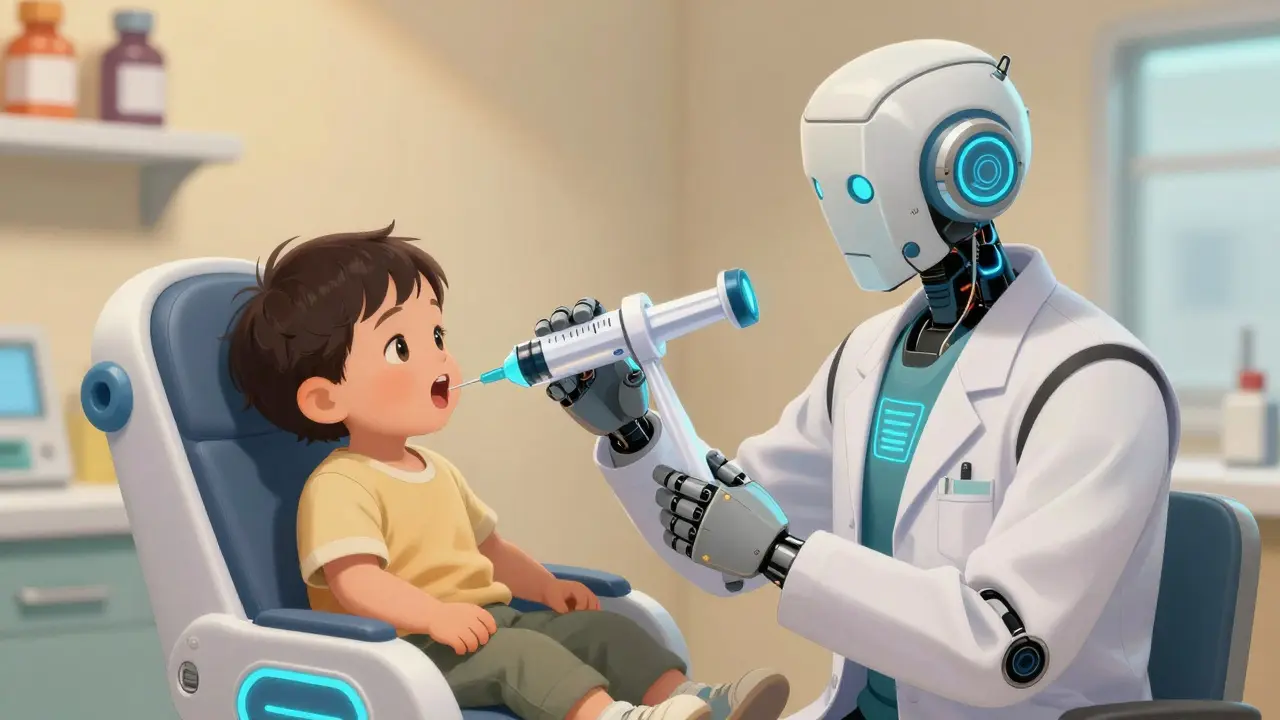
- Use the right tool: Never use a kitchen spoon. Use the oral syringe provided. Aim for the inside of the cheek, not the back of the throat, to prevent choking.
- Chase it: Follow the medicine with a favorite juice or sip of water to clear the taste.
- Compounding pharmacies: If the taste is unbearable, some compounding pharmacies can flavor medications with bubblegum or fruit flavors.
Consistency matters. Amoxicillin must be given every 12 hours. Azithromycin is once daily. Set alarms. Missing doses reduces effectiveness and promotes resistance.
The Resistance Crisis: Why Your Choices Matter
Every time an antibiotic is used unnecessarily, it trains bacteria to survive. The CDC reports that 47% of Streptococcus pneumoniae isolates now show penicillin resistance. That means the drugs that worked for your grandparents may fail for your grandchildren.
Resistant infections cause over 2.8 million illnesses and 35,000 deaths annually in the U.S. alone. By refusing antibiotics for viral colds, you aren’t just protecting your child from side effects; you’re preserving the efficacy of these life-saving drugs for everyone.
Watchful Waiting: A Valid Strategy
For certain conditions, like mild ear infections in children over 6 months, doctors may recommend "watchful waiting." This means monitoring symptoms for 48-72 hours before starting antibiotics. Studies show that many ear infections resolve on their own. If symptoms worsen or don’t improve after three days, then treatment begins. This approach significantly reduces unnecessary prescriptions without harming outcomes.
Ask your doctor: "Is this bacterial or viral? Can we wait?" You have the right to understand the diagnosis before accepting treatment.
How long should I give antibiotics to my child?
You must complete the entire prescribed course, even if your child feels better after two days. Stopping early allows the strongest bacteria to survive and multiply, leading to resistance. Typical courses range from 3 days (azithromycin) to 10 days (amoxicillin for strep).
Can antibiotics cause diarrhea in babies?
Yes. Diarrhea affects 5-25% of children on antibiotics. Mild loose stools are common. However, if your baby has watery, frequent diarrhea, fever, or blood in the stool, contact your doctor immediately to rule out C. diff infection.
What should I do if my child vomits after taking antibiotics?
If vomiting occurs within 30 minutes, repeat the full dose. If it happens between 30-60 minutes, repeat half the dose. If more than 60 minutes have passed, do not repeat; wait for the next scheduled dose.
Is a rash always a sign of antibiotic allergy?
No. Most rashes during antibiotic treatment are side effects or viral rashes, not true allergies. True allergies present with hives, swelling, or breathing difficulties shortly after dosing. Consult your doctor to determine the cause.
When do I need to go to the ER for an antibiotic reaction?
Seek emergency care if your child develops difficulty breathing, wheezing, swelling of the face/lips/tongue, or widespread hives. These are signs of anaphylaxis, a life-threatening allergic reaction.